Healthcare / Critical care
‘World-first’ patient-focused ICU of the Future unveiled
By Andrew Sansom | 20 Dec 2022 | 0
The Critical Care Research Group (CCRG), based at the Prince Charles Hospital in Queensland, Australia, has launched the ‘ICU of the Future’, described as a “world-first project” that redesigns the intensive care unit setting at the hospital as a more patient-centric and recovery-focused environment.
Often considered daunting places for patients and their families, up to 75 per cent of ICU patients globally experience anxiety, depression, or other physical, cognitive or psychological problems. And although ICUs in Australia generally provide a high quality of care, the quality of a patient’s life post-discharge can be suboptimal.
The ICU of the Future project seeks to change the way ICUs operate and treat critically ill patients through a new model of care.
The collaborative project involves Metro North Health, the CCRG, medical research charity The Common Good, Queensland Health, with financial support from Queensland Technology Future Fund and Queensland Motor Vehicle Accident Insurance Commission, joining forces to address the design and environmental challenges that studies suggest can impact patient recovery. 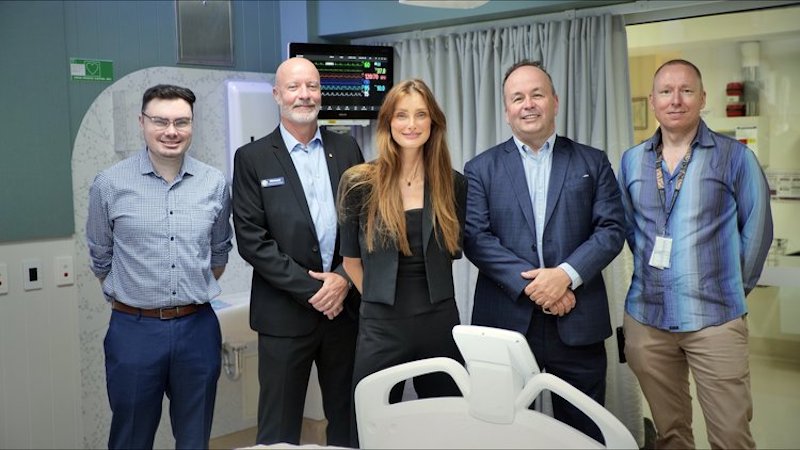
The team involved in the ICU of the Future project – including CCRG founder and director Professor John Fraser, project manager Oystein Tronstad, and psychiatrist associate professor Dylan Flaws – investigated how factors such as noise pollution from constant alarms day and night, the lack of natural light, and social isolation contributed to a patient’s ICU experience, and the effect on their outcomes and long-term recovery.
“The ICUs we have currently were designed by clinicians, for clinicians,” said Professor Fraser. “The ICU of the Future challenges this by redesigning the intensive care environment to be more patient-focused, including and prioritising their needs to optimise healing and recovery while ensuring clinical efficiencies.
“If you experience delirium while in hospital, your mortality is three times higher in the subsequent six months. Your risk of PTSD can be as high as that seen among war veterans, and your ability to return to work and hold down a job or a long-term relationship can be dramatically diminished.”
Tronstad commented: “Working hand in hand with clinicians, former patients and their families, and industry partners, the ICU of the Future aims to reduce the incidence of ICU delirium and improve the experience and long-term outcomes of critically ill patients, optimising the quality-of-life patients can expect to enjoy after leaving the hospital.”
It's not just patients who are affected by the existing design of ICUs. Many environmental factors, including a lack of natural light and excessive noise levels, also contribute to the ICU being a challenging work environment for staff. 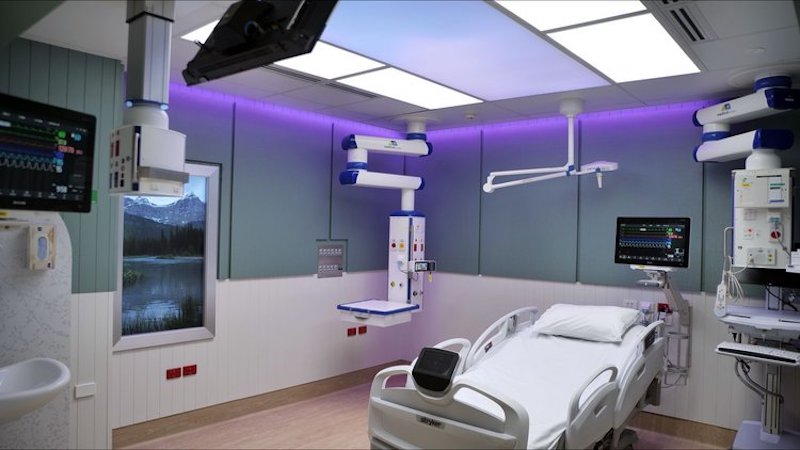
Prototype tests
As part of its investigations, the CCRG built a working prototype to road-test design changes and adapting final innovations with stakeholder recommendations. Now it has two ICU bed spaces completed, which will be accepting the first patients as early as January.
Tronstad explained: “For this world-first project, we’re introducing technologies that can reduce the amount of noise experienced by the patient, lighting that can mimic natural light and help maintain the body’s natural circadian rhythm, and improve how patients connect with their family members and the outside world.
“When the design changes are implemented into a working intensive care unit, we envisage that we will see significant improvements in patient outcomes.”
The ICU of the Future project was born out of a collaborative, multidisciplinary approach, and more than five years of research. Those involved are committed to understanding the many psychological difficulties patients may experience during and after an ICU stay.
The Common Good’s chief executive, Michael Hornby OAM, said recent global events had put ICUs across the world under immense strain, and with demand rising, the CCRG’s ICU of the Future project is of paramount importance.
“Medical research funding is vital in allowing world-first breakthroughs like the ICU of the Future to happen”, he remarked. “Without the ongoing support of generous donors, The Common Good wouldn’t be able to fund projects like this and the many others that change people’s lives all over the world.”