
Healthcare / Behavioural change
Eye signage intervention reduces poor behaviour in surgical theatres
By Andrew Sansom | 10 Jan 2024 | 0
Australian researchers have successfully trialled a novel experiment to reduce offensive and rude comments in operating theatres by placing ‘eye’ signage in surgical rooms.
The eye images were attached to the walls of an Adelaide orthopaedic hospital’s operating theatre without any explanation. And they had the desired effect in markedly reducing poor behaviour among surgical teams.
Lead researcher Professor Cheri Ostroff, from the University of South Australia, attributed the result to a perception of being “watched”, even though the eyes were not real.
The three-month experiment was undertaken to address a widespread culture of bullying and poor behaviour in surgical theatres. So-called “incivility” is prevalent in many industries, including the healthcare sector, and particularly in high-stress and high-pressure environments such as operating theatres. 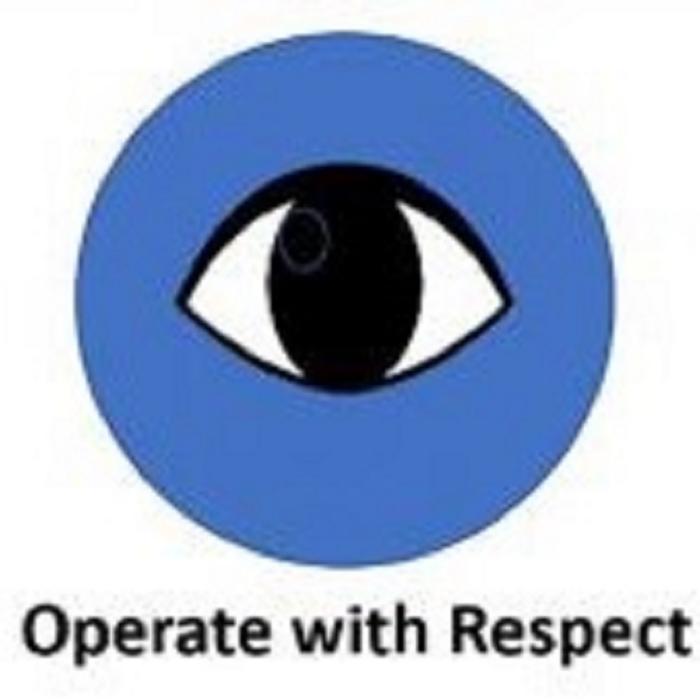
Prof Ostroff says rude and offensive remarks don’t just affect staff morale, wellbeing and productivity but they can also have a negative impact on patients.
“Teamwork is critical during surgery,” she explains. “When incivility contributes to poor communication in the operating theatre, worse outcomes can result.”
The consequences are far reaching, leading to high staff turnover, low job satisfaction, a drop in productivity, and less compliance with infection control and medication protocols. Several interventions have been trialled internationally to address the poor behaviour in surgical teams, including workshops and training sessions, but with limited success.
In the Adelaide study, an initial survey was sent to 74 staff at a private hospital – including surgeons, trainees, nurses, anaesthetists and technicians – asking people to report incidents of bad behaviour in the operating theatre.
A month later, the eye signs were placed. Seven weeks later, a follow-up survey was undertaken. The change was significant, with theatre nurses, in particular, reporting a marked drop in experiencing offensive and rude remarks.
The study identified four areas that need addressing: a need for senior management to be role models and emphasise respect in the workplace; appreciation and acknowledgement of employees’ value; more open communication within teams and between staff and management; and more clarity in respect to roles.
Surgeon Dr Nicholas Wallwork, who took part in the study, says the experiment shows that if people perceive they are being watched, they will change their behaviour, even subconsciously.
“Rudeness and bullying occur in operating theatres because the stakes are high,” he asserts. “There are at least six people working as a team in a confined space, under time pressures and with risks involved. A high-functioning stable team delivers better performance, but due to numerous factors, this is sometimes difficult to achieve.
“Poor communication is a recognised problem in our industry, and it’s not always from the top down, but across teams. The selection and training process is arduous – it takes ten years to qualify as a surgeon – and it’s a very competitive, intensive and results-driven environment.”
Complex leadership structures, where surgeons have direct clinical control of the staff during a shift but are not line managers outside the operating theatre, lead to conflict, Dr Wallwork says.
“Unless we change this structure, which is leading to high burnout and frequent staff turnover, we’ll face a crisis in the industry.”
Prof Ostroff reasons that the study shows that poor behaviour can be changed with simple interventions.
“Changing the workplace culture is important,” she notes. “In many healthcare settings, management are far removed from the day-to-day workplace stressors, creating a disconnect and lack of understanding.”
The findings have been published in the journal PLOS One.
Organisations involved