

Science & research / Compact cities
Both benefits and drawbacks currently evident in European compact cities
By Andrew Sansom | 05 Jul 2024 | 0
The compact city model is often championed as the route to healthier and more sustainable cities, but in Europe currently, this approach is still at a transitional stage – with many cities characterised by a mix of both positive features, such as better access to services and lower carbon emissions, and challenges, including high traffic volumes and poor environmental quality.
That’s the message from a major analysis of 919 European cities, published in The Lancet Planetary Health.
The research, led by the Barcelona Institute for Global Health (ISGlobal), identified four distinct European urban configuration types: compact, high-density cities; open low-rise, medium-density cities; open low-rise, low-density cities; and green, low-density cities.
The results show that greener and less densely populated cities have lower mortality rates, lower air pollution levels and lower urban heat island effect, but they are also characterised by higher carbon footprints per capita. In contrast, high-density, compact cities have higher mortality rates, less green space, poorer air quality and a stronger urban heat island effect, but lower carbon emissions per capita.
Typically, compact cities have small surface area sizes and high population density. They tend to have a high density of pedestrian areas, a moderate cycleway density, and fewer green natural areas. More than 68 million people live in this urban typology – the highest number of inhabitants in Europe – and examples include Barcelona, Milan, Paris and Basel.
Compact cities tend to support short-distance mobility, with dense public transport networks, and infrastructure for walking and cycling. Consequently, the model has been touted as a way to promote healthier and more sustainable cities.
Comparing types
Open, low-rise, medium-density cities have small surface area sizes, medium population densities, and a relatively higher density of roads for motorised traffic. Illustrated by cities like Brussels, Dublin and Leipzig, the availability of pedestrian areas, cycleways and green areas is intermediate, compared with other city types. 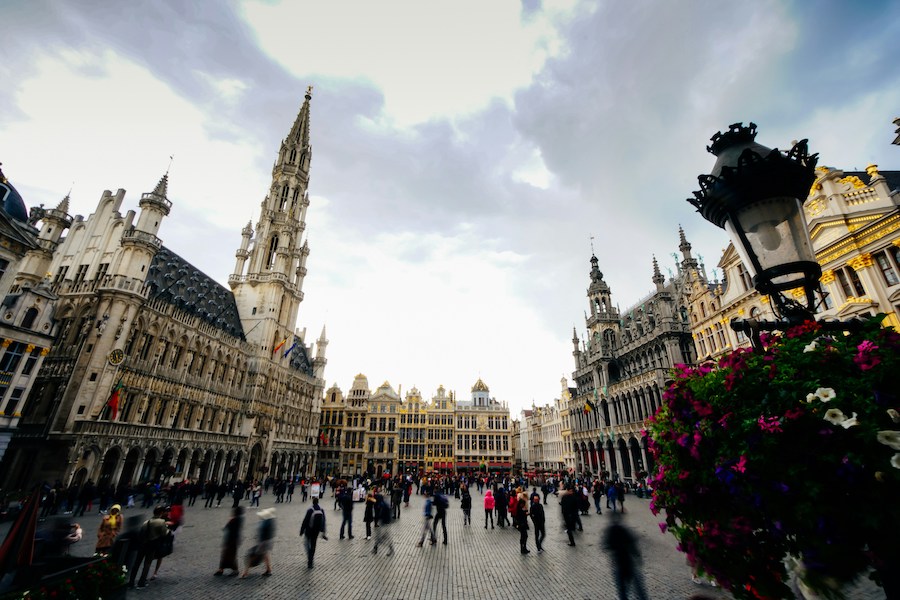
Open, low-rise, low-density cities occupy a larger surface area than the two previous typologies and have a lower population density. They are also characterised by low availability of pedestrian areas and cycleways, and moderate-to-high availability of green natural areas towards the outskirts. Pisa, Oviedo and Toulouse are examples of this typology.
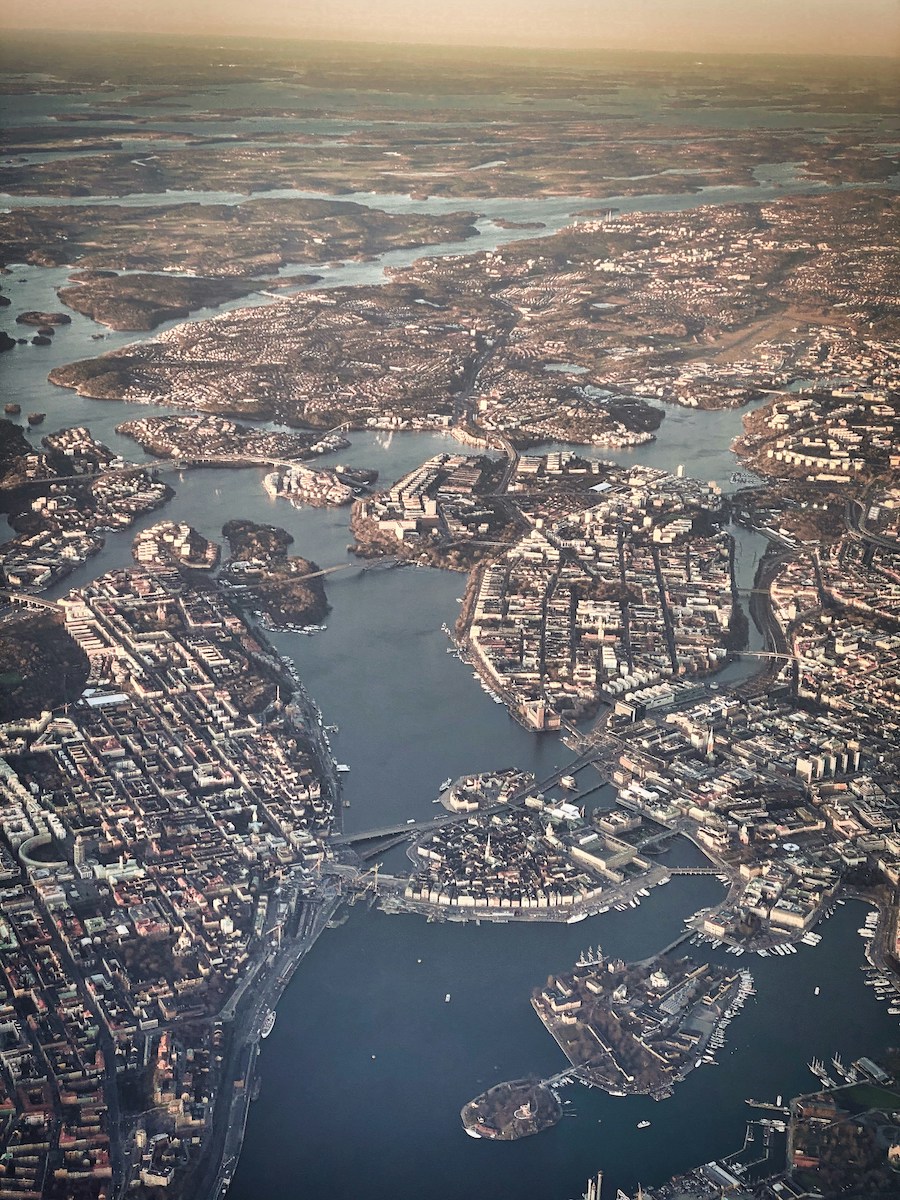
Lastly, the low-density green city has a large surface area size with a low population density. These sprawling cities feature moderate availability of pedestrian areas and high availability of cycleways and green natural spaces. Helsinki, Rennes, Aarhus or Stockholm are examples of cities in this group.
Most study participants lived in compact, high-density and open, low-rise, medium-density cities, compared with open, low-rise, low-density and green, low-density city types.
Among the four urban types, compact, high-density cities and open, low-rise, medium-density cities experienced the highest motorised traffic flows, resulting in higher levels of adverse exposure to air pollution and the urban heat island effect. Mortality rates in these cities were also highest.
The study also notes that energy efficiency rewards are to be gained from the concentration of people and services in a tighter space. Green, low-density cities exhibited the lowest urban heat island effect and air pollution levels, resulting in lower mortality rates. However, their sprawling nature often forces people to undertake longer commutes and they are less energy efficient.
 Compact cities offer an opportunity to capitalise on the implementation of new urban models that promote the creation and better use of public spaces for citizens, states the paper. This is already evident in cities across Europe – for example, superblocks in various parts of Barcelona; the development of low-traffic neighbourhoods in London; and the creation of car-free neighbourhoods in Hamburg and Freiburg. All these cases provide potential positive effects for both the environment and health, says the study.
Capitalising on compact cities
The paper concludes: “Cities are complex systems and solutions require a holistic approach. A set of policy measures has been proposed to promote more sustainable and healthier urban and transport developments. These measures need to be evaluated at the local level and actions relevant for each city’s local context need to be prioritised.”
Tamara Iungman, ISGlobal researcher and one of the lead authors of the study, observed: “After analysing more than 900 cities in Europe, we believe that, as the literature and experts point out, the compact city may still be the model of the future, but in their current configuration, they show a poor environmental quality and need to overcome important challenges.”
“The potential for reduced car dependency, walkability, or access to services and opportunities for social interaction are clear advantages of the compact city model. However, compact cities still show a high presence of motorised transport and a distinct lack of green spaces. High air pollution levels are a particular challenge for compact cities, and a reduction in the levels will reduce the mortality rates significantly.”
Mark Nieuwenhuijsen, head of the Climate, Air Pollution, Nature and Urban Health programme at ISGlobal and senior author of the study, commented: “We must leverage the potential of our compact cities through innovative models, such as superblocks, low-traffic or car-free neighbourhoods, incorporating alternatives such as nature-based solutions, including planting trees and green roofs and facades.
“It’s essential to reduce car use and shift even more to active and public transportation. Of course, there is no one-size-fits-all solution for all cities. Each city should carry out specific studies based on its own characteristics and design an ad hoc solution to find the optimal model in terms of health, environmental quality and carbon footprint.”
The paper, ‘The impact of urban configuration types on urban heat islands, air pollution, CO2 emissions, and mortality in Europe: A data science approach’, is published in The Lancet Planetary Health.
Organisations involved